Monday, March 10, 2008

Endeavour for ISS


Heavy traffic at the International Space Station


Credit: NASA


Since February this year Atlantis brought the European Colombus and just yesterday Jule Verne ATV was launched and is now headed for the International Space Station ISS. There are no breaks on the traffic, tomorrow Endeavour is scheduled for launching with exciting robotics...

The mission STS-123 consist of several exciting elements: a night launching, five spacewalks and station construction with the first Japanese module, integrating for the first time in ISS history components from all of the station's international partners -- the United States, Russia, Canada, Europe and Japan.


Endeavour being prepared for launching


Credit: NASA


Endeavour ready for lift off in Florida


Credit: NASA


The liftoff of Endeavour on the STS-123 mission is scheduled for 2:28 a.m. EDT Tuesday, March 11.

Sunday, March 9, 2008

The Sun


The Sun


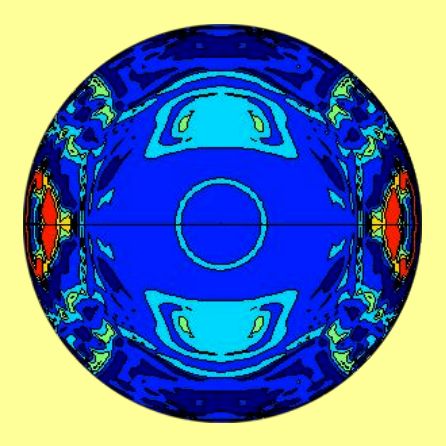
Credit: M. Weber & P. Sturrock (Stanford), J. Scargle (NASA / ARC), SOHO / MDI, GALLEX / GNO


Solar Neutrino Astronomy


We take a break from the bugs, all kind of bugs, and concentrate on the sun. This is the sun again.

The neutrino flux variations on the sun match most exactly the rotation rates of the areas shown in red on this colorful cross-sectional map of the solar interior rotation. The neutrinos are still a mystery to us, but we keep trying to understand. The next big experiment is the Ice Cube in Antarctica.


Jules Verne


Jules Verne excites me!


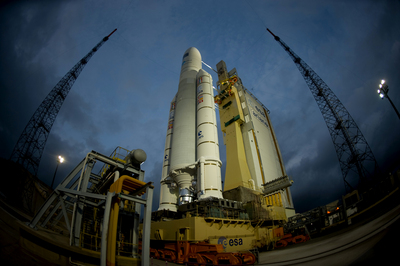
Later today Jules Verne Automated Transfer Vehicle - ATV will be launched by Ariane from Kourou. If you live in another time zone than CET you might want to follow this exciting moment directly on TV.

Ariane 5 ready to launch.


Credit: ESA

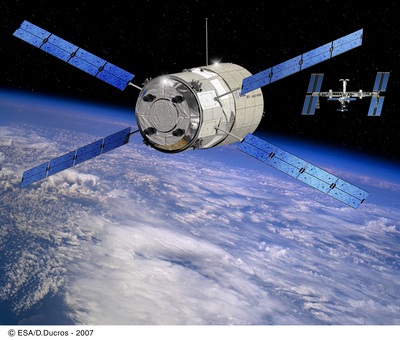
Jules Verne Automated Transfer Vehicle


Credit: ESA

Jules Verne ATV carries supplies to the International Space Station


The International Space Station (ISS) depends on regular deliveries of experiment equipment and spare parts, as well as food, air and water for its permanent crew.

From 2008 onward, the Automated Transfer Vehicle (ATV) will be one of the indispensable ISS supply spaceships.


Check also out my friend Don's coverage of this great event! More from Don .

Caroline Herschel


Caroline Lucretia Herschel


German/English Astronomer, 1759 - 1848


Caroline Herschel was born on March 16, 1750 in Hannover, Germany. She served in the home of her parents until 1772, when her brother William Herschel took her to England.

Caroline was observing with a 27-inch focal length Newtonian 'sweeper'. She discovered a number of deepsky objects in the time of 1783-87, notably an independent discovery of M110 (NGC 205), the second companion of the Andromeda Galaxy. Caroline stated to have observed 14 objects until the end of 1783. In addition she assisted her more famous! brother William Herschel.

Silver Coin Galaxy


One of Caroline Herschel's famous discoveries is NGC 253 also known as Silver Coin Galaxy.


In order to honor women in science on the International Women's Day I picked this particular galaxy. Most women in science live and remain in obscurity after their death. This is my small contribution to remind us all that there are a number of women that have contributed to science and other societal areas throughout history without proper acknowledgment.

This is why I chose the Silver Coin Galaxy the 7th of March 2008.


Thursday, March 6, 2008

The Sun


The Sun

Sun, soho, astronomy

Credit: ESA/NASA - SOHO


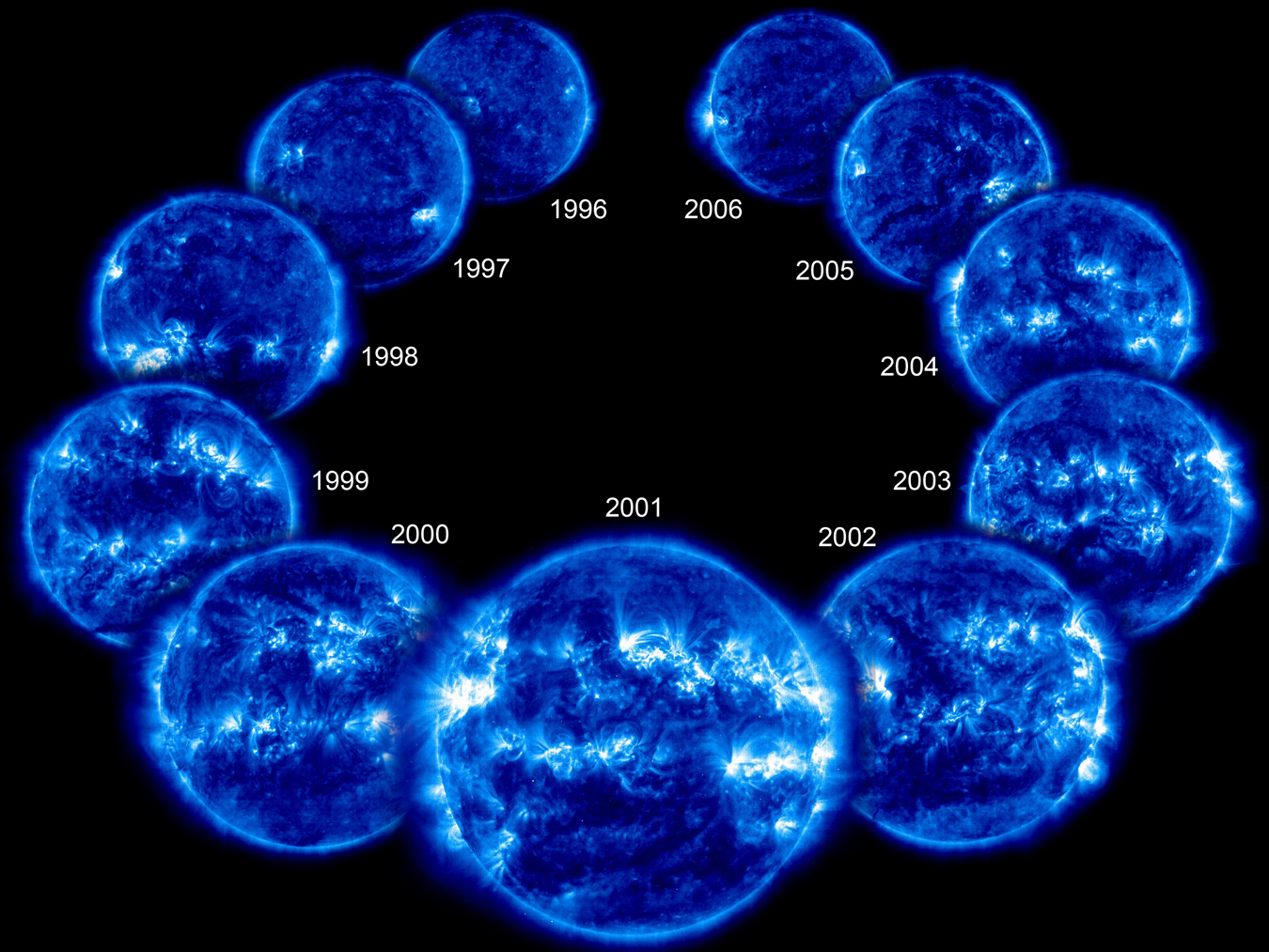
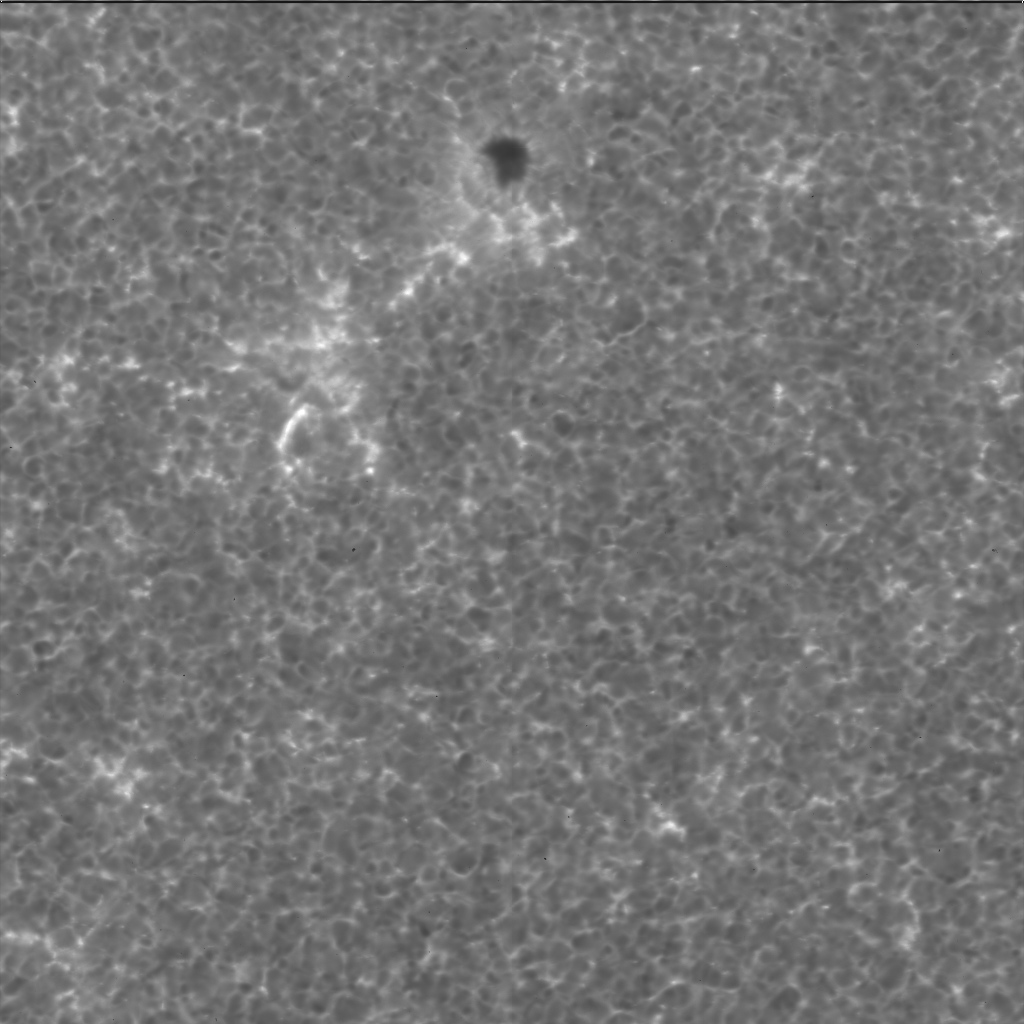
Today we see a sun spot. As I have mentioned on several occasions already, we are about to enter the new solar cycle. SOHO has made a wonderful illustration of the last solar cycle (1996-2006). You see that the white spots will become more and more dense towards sun spot maximum.

I adore the blue versions of the sun. So does my good friend Sam, so this is dedicated to him. :-)

Make sure you click on the pictures - a larger and more impressing version will appear.


Solar cycle


Credit: ESA/NASA SOHO


Wednesday, March 5, 2008

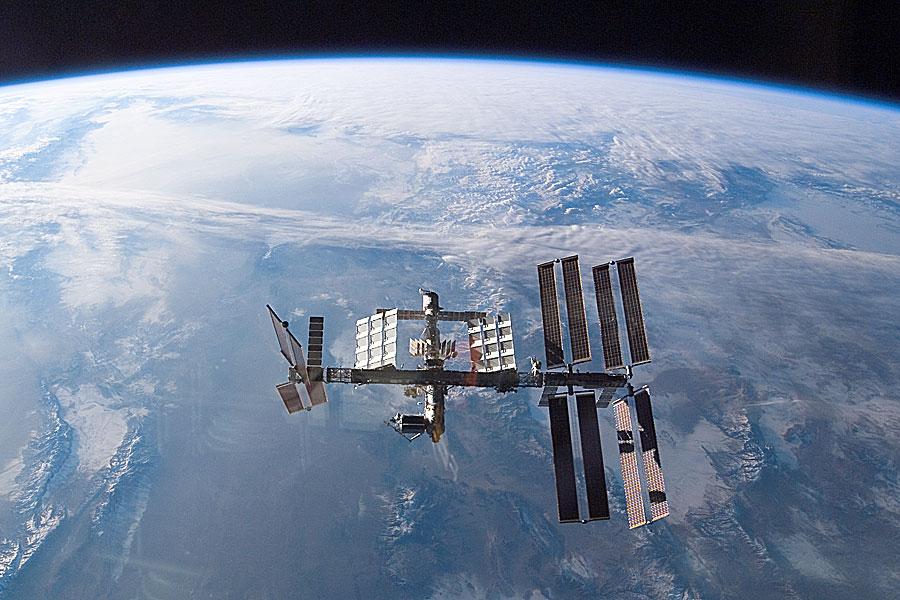
International Space Station


International Space Station


Credit: NASA/ESA


With the LATEST additions.


The Sun


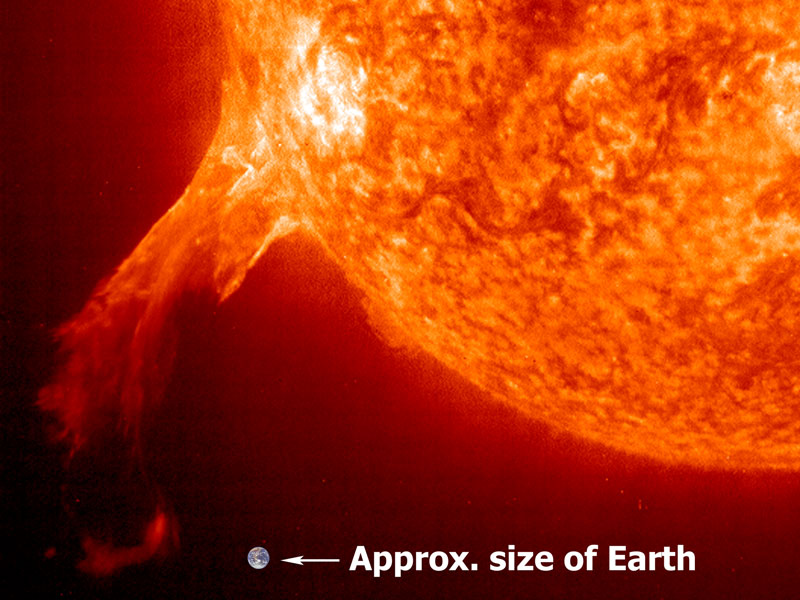
Erupting Prominence


Credit: SOHO-EIT Consortium, ESA, NASA


The prominence, as sun spots and the solar cycle, is caused by the changing magnetic field. Normally the prominences keep the solar plasma (gas) captured to the surface of the sun. Every now and then there are eruptions like on this picture from a major eruption in 2002, close to sun spot maximum.

We are now at the start of a new solar cycle, we say last for about 11 years, and yesterday we saw another sun spot. We expect to see solar wind reaching the earth tomorrow 6th March.